
The Home Inspection Checklist for Ohio Buyers and Sellers: What Inspectors Actually Look At
← Back to the Blog 🏠 Inspections The Home Inspection Checklist for Ohio Buyers and Sellers: What Inspectors Actually Look At By the Unity Property & Pest Team • 9 min read Quick Answer A home inspector checks the roof, exterior, foundation, basement, attic, plumbing, electrical, heating and cooling, and interior. Radon, sewer scope, and termite inspections usually aren’t included unless you add them on. Most home inspections take about two to four hours. Know exactly what you’re buying. In This Article What a home inspection is The full checklist What’s not included Checklist for buyers Checklist for sellers How long it takes Can a house fail? Red flags Why pest know how matters Common questions 📞 330 957 2178 Your offer got accepted. Congrats. Now a stranger with a flashlight is crawling around your future attic while you stand in the kitchen pretending not to hover. Here’s the thing: most people walk into a home inspection with no clue what’s actually being checked. So we put together the home inspection checklist we wish every buyer and seller had. What a home inspector looks for, what’s not included, how long a home inspection takes, and how to get ready for one here in Ohio. What Is a Home Inspection? A home inspection is a top to bottom visual check of a house’s structure and major systems, from the roof to the basement floor. The inspector is looking for safety issues, problems, and anything that’s close to the end of its life. All of it goes into a written home inspection report so you know exactly what you’re buying. What Does a Home Inspector Look For? Pretty much everything they can see and safely get to. Here’s the full home inspection checklist, one part of the house at a time. 🏠 The Roof and Gutters The inspector checks for missing, curling, or damaged shingles, worn flashing around the chimney and vents, and any signs of leaks or sagging. They’ll look at the gutters too, and honestly, in Ohio, gutters are a bigger deal than people think. When they’re clogged or the downspouts dump right next to the house, all that water ends up in your basement. 🪟 The Outside of the House Siding, trim, windows, doors, decks, porches, and steps all get a look. So does the grading, meaning whether your yard slopes away from the house or right toward it. They’ll also note gaps and openings, which matter more than you’d think. More on that later. 🧱 The Foundation Cracks in the walls and floor, signs the house has settled or shifted, and doors and windows that stick (which can be a clue the house has moved). Soft or rotting wood gets flagged here too. 💧 The Basement and Crawl Space If you want to know how a house is really doing, go to the basement. Inspectors look for water stains, damp spots, and that white chalky stuff on concrete walls, which means water’s been coming through. They’ll check the sump pump if there is one, and look for any signs of past flooding. In Northeast Ohio, this is usually where the real story is. 🔦 The Attic Insulation, ventilation, roof leaks, and stained or damaged wood. And yes, evidence of mice, squirrels, or anything else that moved in without signing a lease. 🚿 Plumbing Water pressure, drains, visible pipes, leaks, and the water heater, including how old it is and how it’s vented. Toilets that rock or run all night make the list too. ⚡ Electrical The main panel, breakers, outlets, switches, and any wiring they can see. Inspectors check for GFCI outlets near water, like kitchens, bathrooms, and garages. They also keep an eye out for safety hazards, including that “creative” wiring the last owner did himself in 1987. 🔥 Heating and Cooling Does the furnace run? Does the AC run? How old are they? The inspector will check the vents, visible ductwork, and thermostat. If you’re buying in Ohio, you want to know the furnace works before January, not during it. 🛋️ Inside the House Walls, ceilings, floors, stairs, railings, windows, built in appliances, and smoke and carbon monoxide detectors. What’s Not Included in a Home Inspection? A standard home inspection is visual only. Inspectors don’t open up walls, pull up carpet, or move furniture. And a few things you’ll probably want aren’t part of a standard inspection unless you add them on. Add On Radon Testing About half of Ohio homes test above the EPA’s action level for radon, and you can’t see it or smell it. The only way to know is a separate radon test. Add On Sewer Scope Inspection A camera goes down the main sewer line to look for cracks, tree roots, and collapsed pipe. If the house is older or there are big trees in the yard, this one’s worth it. Fixing a sewer line is not a fun surprise. Add On Termite Inspection Also called a WDI (wood destroying insect) inspection. Some lenders require it, and either way, you want to know. Home Inspection Checklist for Buyers 1 Before the Inspection Book it the second your offer is accepted. Your inspection period goes fast. Ask about radon and a sewer scope at the same time, and make sure the utilities are on at the house. 2 During the Inspection Show up. Even if you only catch the last half hour, walking through the house with the inspector is the best crash course you’ll ever get on your new home. Ask questions. Take pictures. Write stuff down. 3 After the Inspection Read the whole home inspection report, not just the summary page. Sort what you find into three piles: safety issues, big ticket repairs, and small stuff. Then sit down with your agent and decide what’s worth asking the seller to fix or credit and what you can live with. Home Inspection Checklist for Sellers Want the buyer’s inspection to go smoothly? Here’s what to do before they show up.
Radon in Ohio: What It Is, How to Test, and What Your Results Mean
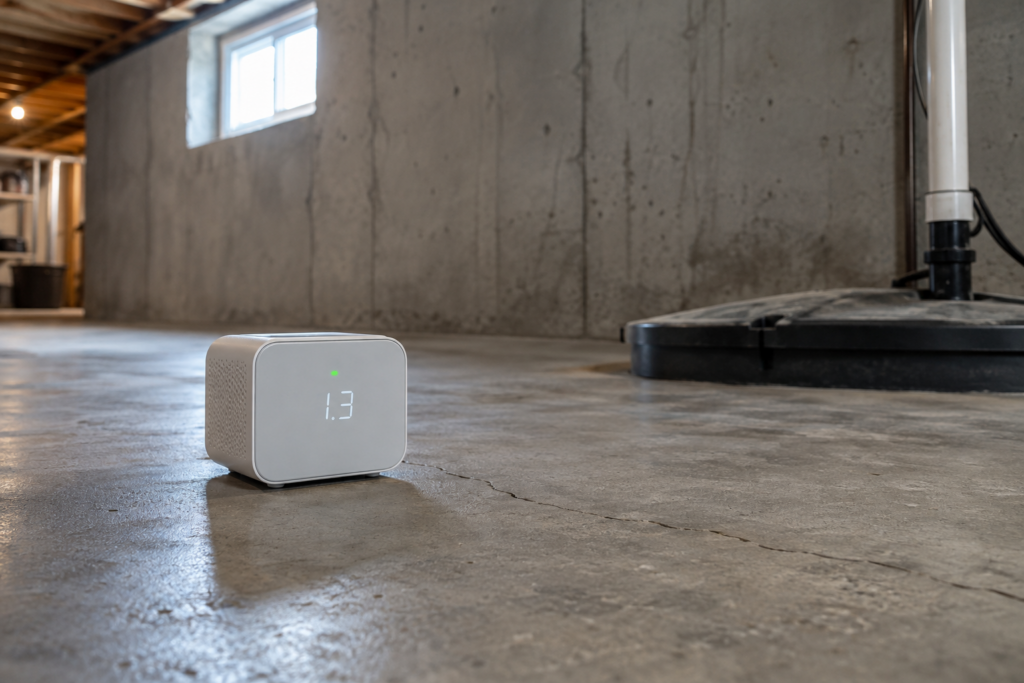
About half of Ohio homes test high for radon. Here’s when to test, how it works, and what your number means.