
The Home Inspection Checklist for Ohio Buyers and Sellers: What Inspectors Actually Look At

← Back to the Blog 🏠 Inspections The Home Inspection Checklist for Ohio Buyers and Sellers: What Inspectors Actually Look At By the Unity Property & Pest Team • 9 min read Quick Answer A home inspector checks the roof, exterior, foundation, basement, attic, plumbing, electrical, heating and cooling, and interior. Radon, sewer scope, and termite inspections usually aren’t included unless you add them on. Most home inspections take about two to four hours. Know exactly what you’re buying. In This Article What a home inspection is The full checklist What’s not included Checklist for buyers Checklist for sellers How long it takes Can a house fail? Red flags Why pest know how matters Common questions 📞 330 957 2178 Your offer got accepted. Congrats. Now a stranger with a flashlight is crawling around your future attic while you stand in the kitchen pretending not to hover. Here’s the thing: most people walk into a home inspection with no clue what’s actually being checked. So we put together the home inspection checklist we wish every buyer and seller had. What a home inspector looks for, what’s not included, how long a home inspection takes, and how to get ready for one here in Ohio. What Is a Home Inspection? A home inspection is a top to bottom visual check of a house’s structure and major systems, from the roof to the basement floor. The inspector is looking for safety issues, problems, and anything that’s close to the end of its life. All of it goes into a written home inspection report so you know exactly what you’re buying. What Does a Home Inspector Look For? Pretty much everything they can see and safely get to. Here’s the full home inspection checklist, one part of the house at a time. 🏠 The Roof and Gutters The inspector checks for missing, curling, or damaged shingles, worn flashing around the chimney and vents, and any signs of leaks or sagging. They’ll look at the gutters too, and honestly, in Ohio, gutters are a bigger deal than people think. When they’re clogged or the downspouts dump right next to the house, all that water ends up in your basement. 🪟 The Outside of the House Siding, trim, windows, doors, decks, porches, and steps all get a look. So does the grading, meaning whether your yard slopes away from the house or right toward it. They’ll also note gaps and openings, which matter more than you’d think. More on that later. 🧱 The Foundation Cracks in the walls and floor, signs the house has settled or shifted, and doors and windows that stick (which can be a clue the house has moved). Soft or rotting wood gets flagged here too. 💧 The Basement and Crawl Space If you want to know how a house is really doing, go to the basement. Inspectors look for water stains, damp spots, and that white chalky stuff on concrete walls, which means water’s been coming through. They’ll check the sump pump if there is one, and look for any signs of past flooding. In Northeast Ohio, this is usually where the real story is. 🔦 The Attic Insulation, ventilation, roof leaks, and stained or damaged wood. And yes, evidence of mice, squirrels, or anything else that moved in without signing a lease. 🚿 Plumbing Water pressure, drains, visible pipes, leaks, and the water heater, including how old it is and how it’s vented. Toilets that rock or run all night make the list too. ⚡ Electrical The main panel, breakers, outlets, switches, and any wiring they can see. Inspectors check for GFCI outlets near water, like kitchens, bathrooms, and garages. They also keep an eye out for safety hazards, including that “creative” wiring the last owner did himself in 1987. 🔥 Heating and Cooling Does the furnace run? Does the AC run? How old are they? The inspector will check the vents, visible ductwork, and thermostat. If you’re buying in Ohio, you want to know the furnace works before January, not during it. 🛋️ Inside the House Walls, ceilings, floors, stairs, railings, windows, built in appliances, and smoke and carbon monoxide detectors. What’s Not Included in a Home Inspection? A standard home inspection is visual only. Inspectors don’t open up walls, pull up carpet, or move furniture. And a few things you’ll probably want aren’t part of a standard inspection unless you add them on. Add On Radon Testing About half of Ohio homes test above the EPA’s action level for radon, and you can’t see it or smell it. The only way to know is a separate radon test. Add On Sewer Scope Inspection A camera goes down the main sewer line to look for cracks, tree roots, and collapsed pipe. If the house is older or there are big trees in the yard, this one’s worth it. Fixing a sewer line is not a fun surprise. Add On Termite Inspection Also called a WDI (wood destroying insect) inspection. Some lenders require it, and either way, you want to know. Home Inspection Checklist for Buyers 1 Before the Inspection Book it the second your offer is accepted. Your inspection period goes fast. Ask about radon and a sewer scope at the same time, and make sure the utilities are on at the house. 2 During the Inspection Show up. Even if you only catch the last half hour, walking through the house with the inspector is the best crash course you’ll ever get on your new home. Ask questions. Take pictures. Write stuff down. 3 After the Inspection Read the whole home inspection report, not just the summary page. Sort what you find into three piles: safety issues, big ticket repairs, and small stuff. Then sit down with your agent and decide what’s worth asking the seller to fix or credit and what you can live with. Home Inspection Checklist for Sellers Want the buyer’s inspection to go smoothly? Here’s what to do before they show up.
Asian Lady Beetles vs Ladybugs: Why Ohio Homes Get Swarmed Every Fall (and How to Get Rid of Them)
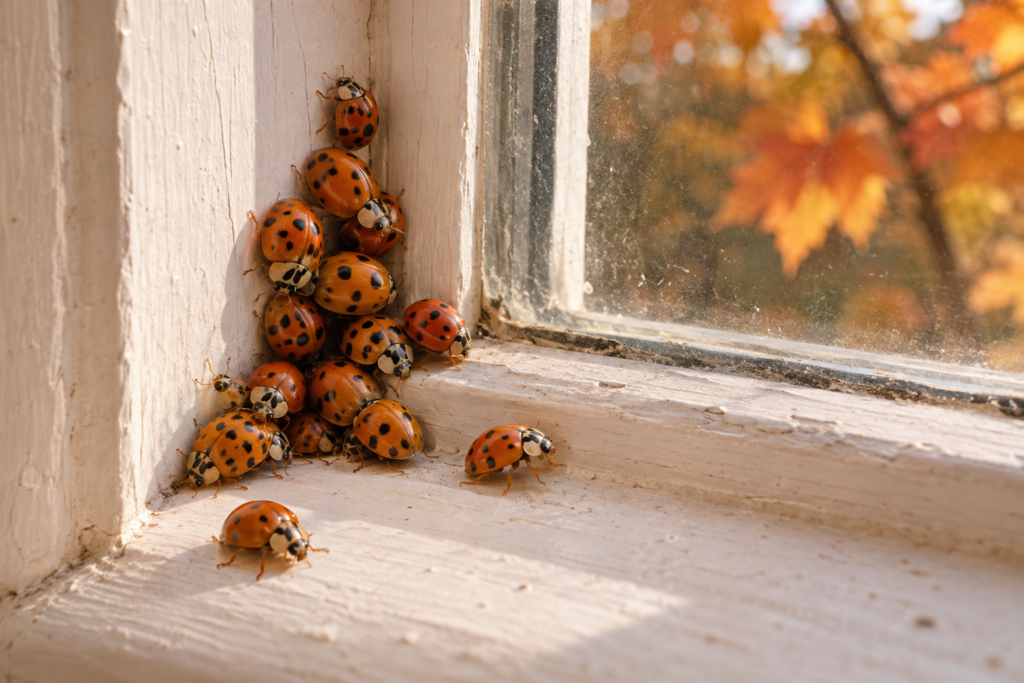
← Back to the Blog 🍂 Seasonal Asian Lady Beetles vs Ladybugs: Why Ohio Homes Get Swarmed Every Fall (and How to Get Rid of Them) By the Unity Property & Pest Team • 7 min read Quick Answer Those orange “ladybugs” swarming your windows are most likely Asian lady beetles. They move into Ohio homes from mid October into November to spend the winter. They’re mostly harmless, but don’t squish them. Vacuum them up, and seal the gaps outside to keep them out next year. Seal it up before they move in. In This Article What they are Lady beetle vs ladybug Why they’re in your house When they show up Do they bite? Are they poisonous? How to get rid of them Keeping them out When to call a pro Common questions 📞 330 957 2178 There’s a ladybug on the window. Cute. Then there’s a dozen on the curtains, a pile in the corner of the sunroom, and one that just landed in your coffee. At that point, it’s not cute anymore. And here’s the twist: that probably isn’t a ladybug at all. It’s an Asian lady beetle, and late October is when they move in on homes across Akron, Canton, Medina, and the rest of Northeast Ohio. So let’s talk about how to tell them apart, why they picked your house, whether they bite, and how to get rid of ladybugs in your house without leaving a smelly, stained mess behind. What Are Asian Lady Beetles? Asian lady beetles, also called multicolored Asian lady beetles or Halloween lady beetles, are a cousin of the ladybug that isn’t from around here. They were brought to the U.S. on purpose because they’re great at eating aphids and other bugs that damage crops and trees. Helpful outside. Not so helpful in your living room. Ohio first noticed them swarming houses back in October 1993, and they’ve shown up every fall since. Asian Lady Beetle vs Ladybug: What’s the Difference? The easiest way to tell is to look right behind the head. Asian lady beetles have a white patch there with a black mark shaped like an M or a W. Native ladybugs don’t. Color won’t help you much. Asian lady beetles can be anything from pale orange to deep red, with a bunch of spots, a few, or none at all. But if you’re seeing orange ladybugs, and a lot of them, it’s almost always an Asian lady beetle. The bigger difference is where they spend the winter. Native ladybugs stay outside, tucked under leaves and bark. Asian lady beetles want in. Your walls, your attic, your window frames. That’s how a few beetles turn into a full blown ladybug infestation. Why Are There Ladybugs in My House? Because your house looks like the perfect place to wait out the winter. When it starts getting cold, Asian lady beetles go looking for shelter, and they head for buildings that stand out. Light colored siding, sunny south and west walls, and homes near the woods or open fields tend to get hit the hardest. And once a few find a good spot, the rest follow. That’s why some houses get swarmed every single year while the one down the road barely sees any. When Do Asian Lady Beetles Come Out in Ohio? Usually mid October into November. Watch for the first warm, sunny day after a cold stretch. One chilly week, then a 65 degree afternoon? That’s swarm day. Ohio State researchers actually tracked this, and that warm up after the cold is what sends them looking for a place to stay. Then they pop up again on warm days in the middle of winter and in early spring. Those are the ones that made it into your walls, waking up and heading for the nearest window. So if you’re finding ladybugs in the house in January, that’s why. Do Asian Lady Beetles Bite? Yep, they can. An Asian lady beetle bite feels more like a little pinch than a real bite. It usually doesn’t break the skin and it isn’t dangerous. It’s mostly just rude. Are Orange Ladybugs Poisonous? No, orange ladybugs aren’t poisonous to touch. When they feel threatened, they release a yellowish fluid that smells awful and tastes worse. That’s their way of telling birds to back off. Still, keep the dog from snacking on them. Are Asian Lady Beetles Harmful? Not really. Asian lady beetles don’t eat your food, chew your wood, or damage your house. They’re just a pain to live with. That yellow fluid can stain walls, curtains, and carpet. A big crowd of them can set off allergies for some people. And a few hundred beetles in the sunroom is a lot, even if they’re technically harmless. Will Asian Lady Beetles Lay Eggs in My House? No. They don’t breed inside over the winter. They’re just hanging out until it warms up. In spring they head back outdoors to lay eggs and go back to eating aphids. The catch is that next year’s batch will be looking for a winter home all over again. How to Get Rid of Asian Lady Beetles in Your House Vacuum them up. Whatever you do, don’t squish them. That’s how you end up with the smell and the yellow stains. The Stocking Trick Here’s a trick that makes it a lot less gross: pull a knee high stocking over the end of the vacuum hose, tuck it a few inches into the tube, and hold it in place with a rubber band. The beetles get caught in the stocking instead of the bag, and you can dump them outside when you’re done. Skip the bug bombs and foggers. Most of the beetles are tucked inside your walls and window frames where sprays can’t reach them. Sweeping them up usually just crushes them. Light traps will catch a few of the wanderers, but they won’t stop the next wave from getting in. Getting rid of ladybugs for
Radon in Ohio: What It Is, How to Test, and What Your Results Mean
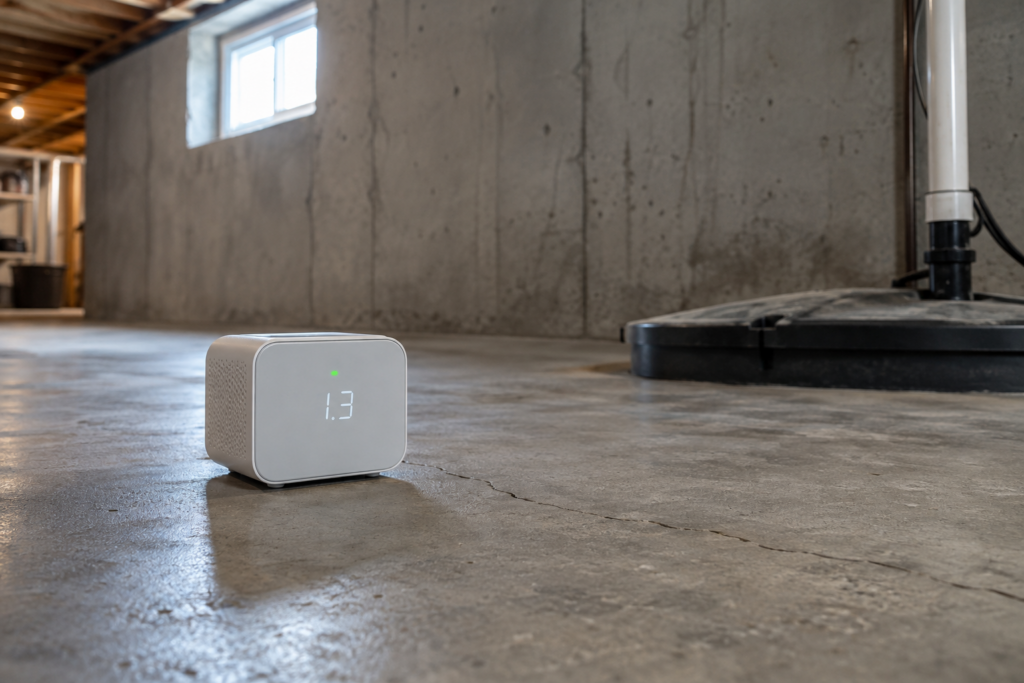
About half of Ohio homes test high for radon. Here’s when to test, how it works, and what your number means.
Signs of Mice in Your Ohio Home Before You Ever See One
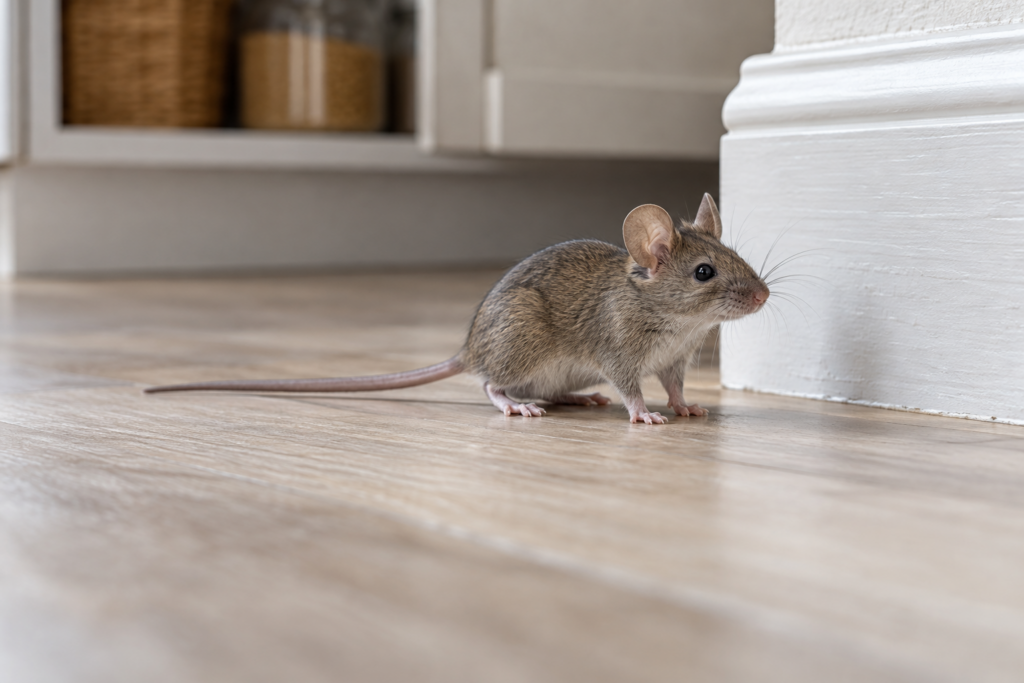
The droppings, chewed packages, and late night scratching that mean mice moved in, and what to do next.
The Stink Bugs Are Back. Here’s Why Ohio Gets Them Every Fall.
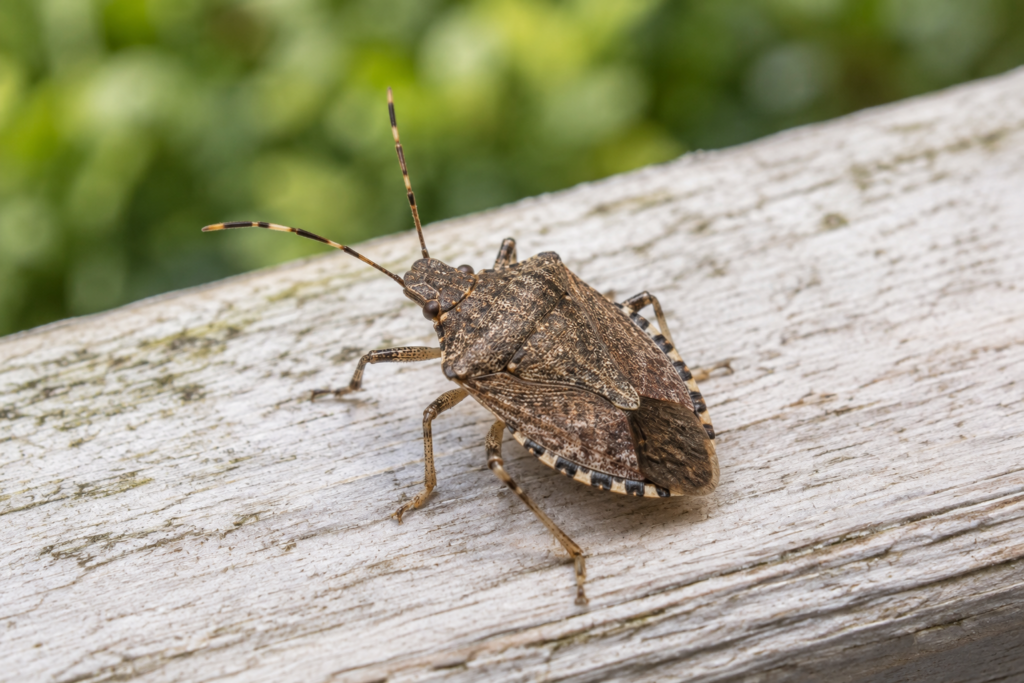
Why stink bugs invade Ohio buildings every fall, how they get in, and how to keep them out.